


Cheaper Houses, Costlier Surprises: Identifying the Hidden Risk Factors of New Construction Homes
New construction homes now cost an average of $20,000 less than existing homes, making them an increasingly attractive option in a market shaped by high interest rates and limited resale inventory. For buyers, the appeal is clear: modern layouts, new materials, and fewer visible maintenance issues.
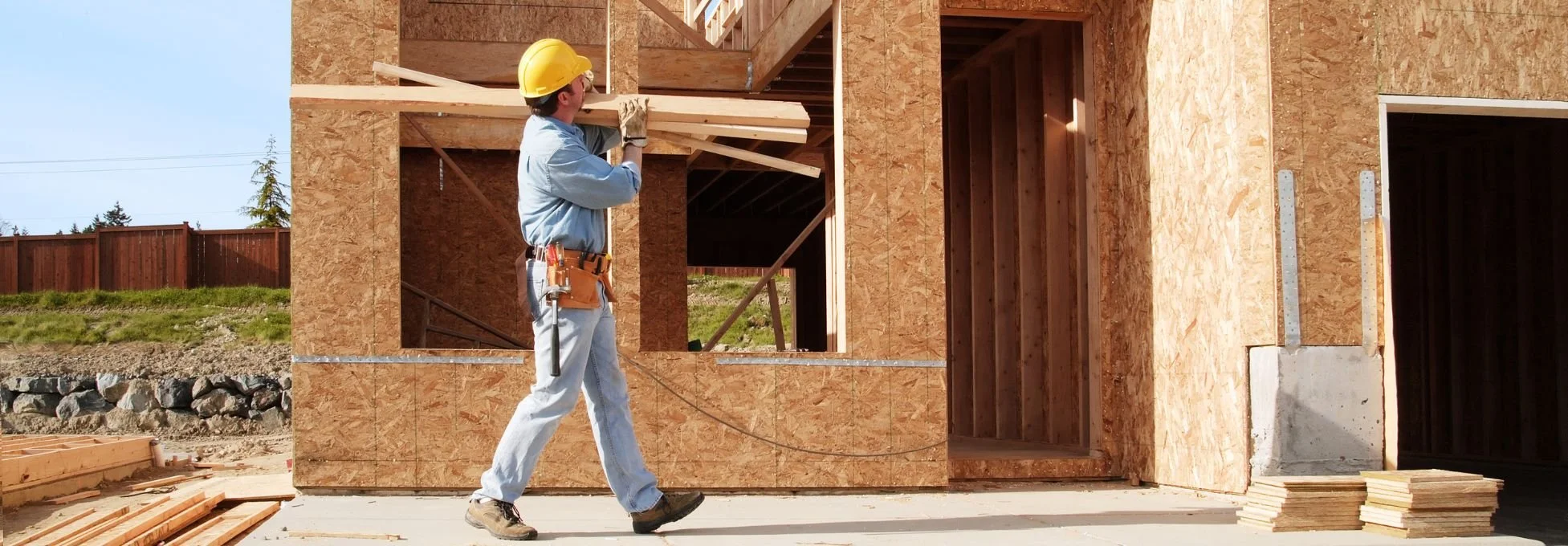
For insurers and MGAs, however, new construction introduces a different—and often misunderstood—risk profile. While these homes may appear pristine at first glance, post-construction inspections frequently uncover issues that can impact safety, long-term durability, and insurability. Construction timelines, labor shortages, material substitutions, and rapid development cycles can all contribute to hidden exposures that aren’t apparent in listing data or builder reports alone.
That’s where JMI Reports comes in. Through reliable on-site residential inspections combined with RiskVUE™ hazard scoring, JMI delivers the property-level insight insurers need to underwrite newly built homes with confidence.
The Top Risks Identified in Post-Construction Inspections
1. Incomplete or Substandard Workmanship
The Risk: Even brand-new homes can conceal construction defects such as improper flashing, poorly installed roofing or siding, misaligned doors and windows, or unfinished interior components. These issues can lead to water intrusion, accelerated wear, and future claims.
JMI’s Impact: Field representatives document structural, exterior, and interior conditions with detailed photos and standardized data, giving underwriters clear visibility into workmanship quality and potential red flags early in the policy lifecycle.
2. Exterior & Lot Hazards
The Risk: Pools, trampolines, decks, retaining walls, unfinished grading, or incomplete landscaping introduce liability and maintenance exposures that may not be captured in basic property records.
JMI’s Impact: Post-construction surveys extend beyond the four walls of the home, documenting site features, outbuildings, and exterior conditions that materially affect long-term risk.
3. Natural Hazard Exposures
The Risk: A newly built home may still be located in a high-risk flood zone, wildfire interface, or wind-prone region—hazards that aren’t obvious from a visual inspection alone.
JMI’s Impact: JMI’s RiskVUE tool integrates third-party hazard data—including flood, wildfire, and windstorm risk—with inspection findings to create a more complete and accurate underwriting profile.
4. Valuation & Replacement Cost Gaps
The Risk: Material substitutions or lower-grade finishes can create discrepancies between reported home values and true replacement costs, increasing the risk of underinsurance.
JMI’s Impact: Field representatives capture detailed information on materials and finishes—from roofing type and siding to windows and doors—helping insurers better align coverage limits with actual replacement value.
5. Neighborhood & Surrounding Risks
The Risk: New developments may border vacant land, commercial properties, or wooded areas that elevate fire, theft, or liability exposure over time.
JMI’s Impact: Property surveys document surrounding conditions and pair them with aerial imagery and hazard data, giving underwriters a 360-degree view of the property’s environment.
Why It Matters for Insurers and MGAs
A home may be “new,” but the risks are very real. Without a thorough post-construction inspection, carriers risk underwriting policies based on incomplete information, leaving hidden defects, safety oversights, or environmental exposures undiscovered until a claim occurs.
By leveraging JMI’s detailed residential property surveys and RiskVUE™ hazard scoring, insurers gain the clarity needed to confidently underwrite new construction homes, ensuring properties are appropriately evaluated and accurately valued.